
Wooden Products vs Plastic
Step into an Indian kitchen early in the morning and you’ll notice a familiar scene – plastic spoons near the stove, plastic containers stacked on shelves, and plastic tools being used without a second thought. Over time, convenience has quietly replaced tradition.
But today, many families are stopping to ask an important question:
Are plastic products really safe for our homes, our health, and the environment we leave behind?
At EcoNir, we believe this question matters more than ever. That’s why the discussion around wooden products vs plastic is no longer just about style – it’s about conscious living.
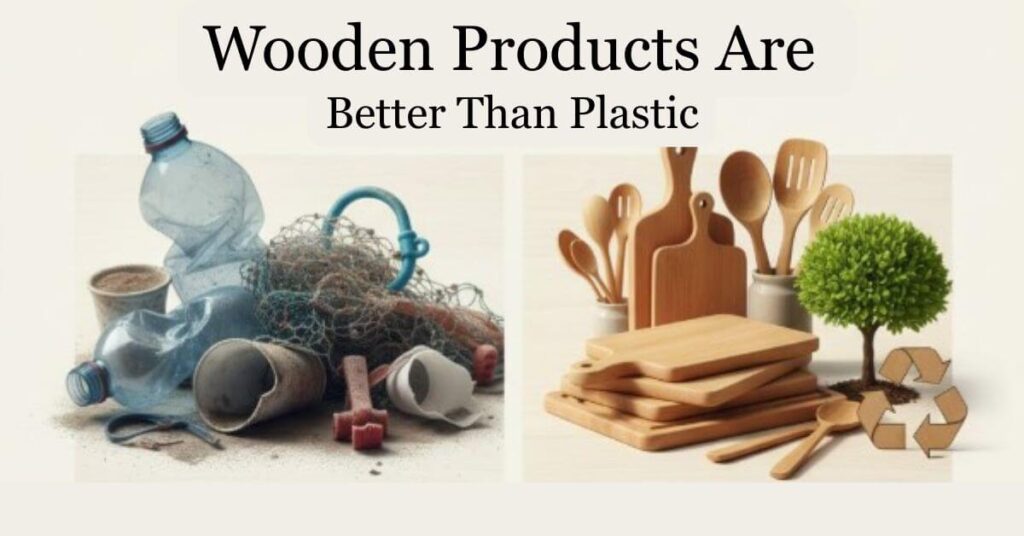
Table of Contents
Why This Topic Matters in Indian Households
Plastic became popular because it was cheap, lightweight, and easily available. However, when we look at the bigger picture, the wooden products vs plastic debate reveals uncomfortable truths.
Plastic:
- Degrades quickly
- Releases chemicals when exposed to heat
- Adds to long-term environmental waste
- Needs frequent replacement
On the other hand, families seeking healthier and eco-friendly lifestyles are rediscovering the value of wooden products just like earlier generations did.
Wooden Products vs Plastic: A Smarter Choice for Everyday Living
Wooden products strike a rare balance between practicality, safety, and sustainability. Whether your home is traditional or modern, wooden items blend naturally without feeling outdated.
Let’s break down why wooden products vs plastic is an easy decision when you look beyond short-term convenience.
Key Benefits of Wooden Products (Explained Simply)
1. Naturally Biodegradable
Unlike plastic, wood returns to nature without harming it.
In the wooden products vs plastic comparison, wood clearly wins when it comes to environmental responsibility.
2. Safer for Daily Cooking
Plastic utensils can release harmful chemicals when heated.
Wooden kitchen tools remain stable, making wooden products vs plastic a safer choice for everyday meals.
3. Long-Lasting and Durable
High-quality pinewood or teakwood products can last for years with minimal care. Plastic often cracks, melts, or fades.
4. Timeless and Warm Appearance
Wood brings warmth, texture, and authenticity into a home—something plastic can never replicate.
Wooden Products vs Plastic: Quick Comparison Chart
| Feature | Wooden Products | Plastic Products |
|---|---|---|
| Eco-Friendly | ✅ Biodegradable & sustainable | ❌ Non-biodegradable |
| Health Safety | ✅ No toxic release | ❌ Chemicals release with heat |
| Durability | ✅ Long-lasting | ❌ Short lifespan |
| Aesthetic Value | ✅ Natural & premium look | ❌ Artificial appearance |
| Environmental Impact | ✅ Low | ❌ High pollution |
| Long-Term Cost | ✅ Cost-effective | ❌ Frequent replacement |
This chart alone explains why wooden products vs plastic is becoming a clear winner for Indian homes.
Real Experiences from EcoNir Users
Many EcoNir customers share a common experience after switching from plastic to wooden kitchen tools. They talk about peace of mind—no chemical smell, no melting plastic, no hidden worries.
What starts as a small decision soon becomes a lifestyle shift.
That’s the real impact of choosing wooden products vs plastic.
Plastic vs Wood – Environmental Impact
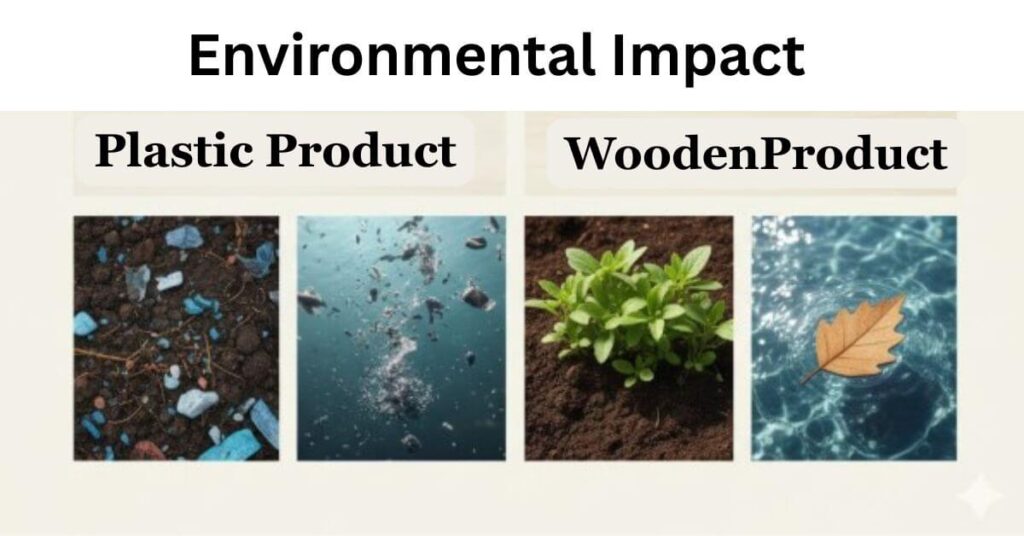
Plastic Products
- Take hundreds of years to decompose
- Release microplastics into soil and water
- Increase landfill waste
Wooden Products
- Decompose naturally
- Renewable when sourced responsibly
- Minimal environmental footprint
👉 Perfect infographic idea for Google Discover & Pinterest
According to India’s Ministry of Environment, Forest and Climate Change, reducing plastic usage at the household level plays a crucial role in lowering long-term environmental pollution and waste.
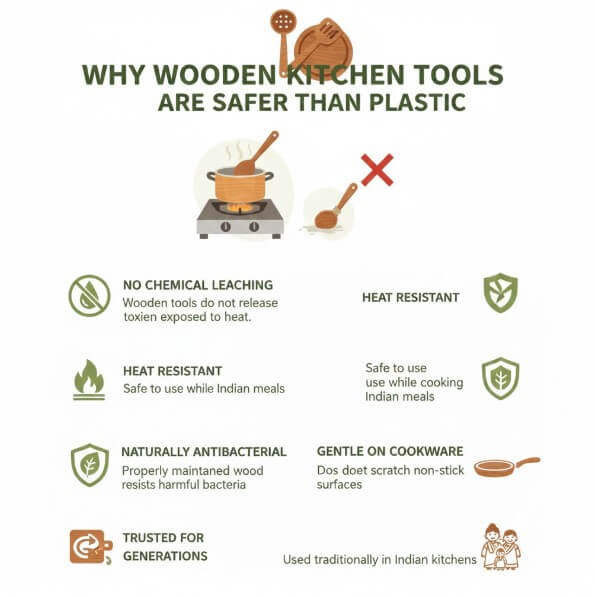
Why Wooden Kitchen Tools Are Safer
The Hidden Health Risks of Plastic in Everyday Kitchens
Plastic products may look harmless, but repeated exposure to heat, oil, and spices can cause chemical breakdown over time. Many plastic kitchen tools are not designed for high-temperature Indian cooking methods like frying, tempering, or slow cooking.
When discussing wooden products vs plastic, health experts increasingly warn that certain plastics may release harmful substances when heated repeatedly. These substances are odorless and invisible, making them easy to ignore – but their long-term impact on health is a growing concern.
Wooden products, by contrast, remain chemically stable even with daily use, making them a safer and more reassuring choice for families.
Wooden Products vs Plastic: Impact on Children and Family Health
For households with children, the wooden products vs plastic decision becomes even more important. Children are more sensitive to environmental toxins, and plastic exposure—especially through food—can accumulate over time.
Wooden products:
- Do not contain synthetic additives
- Are safer for food contact
- Reduce exposure to artificial materials
Many parents now prefer wooden plates, spoons, and storage accessories as part of a cleaner, more mindful home environment.
Sustainability Beyond the Kitchen: Wooden Products in Home Décor
The wooden products vs plastic discussion is not limited to kitchens alone. Wooden items are increasingly being used in home décor, storage, and organization.
Examples include:
- Wooden shelves
- Storage boxes
- Wall décor
- Handcrafted furniture accents
Unlike plastic décor that often looks temporary or artificial, wooden décor adds character and warmth to living spaces while remaining environmentally responsible.
How Choosing Wooden Products Supports Local Craftsmanship
Another overlooked aspect of wooden products vs plastic is social impact. Most plastic items are mass-produced, offering little support to local communities.
Wooden products—especially handcrafted ones—often:
- Support skilled artisans
- Preserve traditional craftsmanship
- Encourage ethical production practices
By choosing wooden products, consumers indirectly contribute to sustainable livelihoods and responsible manufacturing.
The Psychological Comfort of Natural Materials
Studies show that natural materials like wood create a calming and comforting environment. Homes that use wooden elements often feel warmer, more welcoming, and less artificial.
In the wooden products vs plastic comparison, this emotional factor matters. Wood connects people to nature, while plastic feels industrial and temporary. This subtle difference can influence mood, comfort, and overall well-being at home.
Wooden Products vs Plastic: Cost Analysis Over Time
At first glance, plastic appears cheaper. However, when comparing wooden products vs plastic over several years, the cost equation changes.
Plastic products:
- Break or warp quickly
- Need frequent replacement
Wooden products:
- Last longer
- Require fewer replacements
- Offer better long-term value
This makes wooden products not just eco-friendly, but financially sensible as well.
How to Start the Transition from Plastic to Wood (Simple Steps)
Switching from plastic doesn’t have to be overwhelming. Start small:
- Replace plastic cooking spoons with wooden ones
- Choose wooden chopping boards
- Add one wooden storage or décor item at a time
Gradual changes make the wooden products vs plastic transition easy, practical, and sustainable.
Why Eco-Conscious Living Is Becoming a Lifestyle, Not a Trend
Eco-friendly choices are no longer limited to niche audiences. Across India, more households are embracing sustainability as a lifestyle.
The growing interest in wooden products vs plastic reflects a deeper shift—people want homes that are healthier, more natural, and aligned with long-term well-being.
Wooden products fit perfectly into this new mindset.
Common Questions Homeowners Ask
Are Wooden Products Suitable for Modern Homes?
Yes. Minimal wooden designs fit beautifully into modern interiors and create a calm, balanced atmosphere.
Are Wooden Products More Expensive Than Plastic?
Initially, they may cost slightly more, but their durability makes them more economical in the long run.
Another strong point in the wooden products vs plastic debate.
Are Wooden Products Easy to Maintain?
Simple cleaning and occasional oiling keep wooden items in excellent condition for years.
A Gentle Eco-Friendly Recommendation
If you want to move toward sustainable living, start small:
- Wooden kitchen tools
- Wooden spice racks
- Simple wooden décor
EcoNir’s handcrafted pinewood and teakwood products are designed to fit effortlessly into everyday life—no drastic lifestyle changes required.
Wooden décor plays a major role in sustainable living, and this guide on why wooden décor is the best eco-friendly choice for modern homes explains how natural materials enhance both aesthetics and environmental responsibility. Read Here