
What if living eco-friendly could actually make you richer, healthier, and future-ready?
In India, thousands of families are already saving ₹50,000 or more every year just by adopting a few eco-friendly habits — without sacrificing comfort.
This guide breaks down practical, real-life eco-friendly habits in India that save money, reduce waste, and support sustainable living in 2026.
Why Eco-Friendly Living Is No Longer Expensive in India
Earlier, eco-friendly products were costly.
Today, eco-friendly habits in daily life actually cut expenses on electricity, water, fuel, plastic, and healthcare.
🌱 Eco-friendly living is not a sacrifice anymore – it’s a smart financial decision.
Table of Contents
📊 How Eco-Friendly Habits Save ₹50,000 a Year (Quick Overview)
| Eco Habit | Annual Savings (₹) |
|---|---|
| Reducing electricity usage | 12,000 |
| Switching to reusable products | 8,000 |
| Saving water at home | 6,000 |
| Avoiding plastic purchases | 7,000 |
| Using public transport / cycling | 10,000 |
| Sustainable kitchen swaps | 7,000 |
| Total Estimated Savings | ₹50,000+ |
(Actual savings may vary, but Indian households report similar results.)
🌿 1. Reduce Electricity Consumption at Home
Switching to LED bulbs, energy-efficient appliances, and natural daylight can reduce electricity bills by up to 30%.

Eco-Friendly Tip:
Turn off appliances completely instead of standby mode.
♻️ 2. Replace Single-Use Plastic With Reusable Alternatives
Plastic bottles, bags, containers – all silent money-drainers.
Switch to:
- Stainless steel bottles
- Cloth shopping bags
- Wooden or bamboo kitchen items
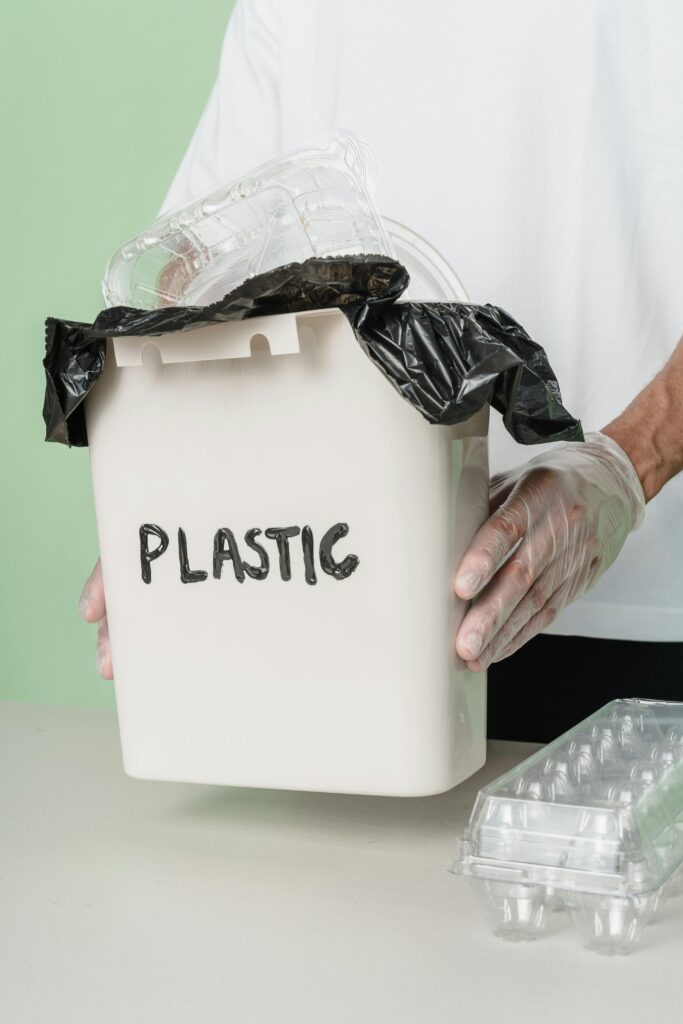


💡 This single habit saves ₹6,000–₹8,000 per year.
👉 Why Wooden Products Are Better Than Plastic for Sustainable Living – Read details
🚿 3. Save Water, Save Money
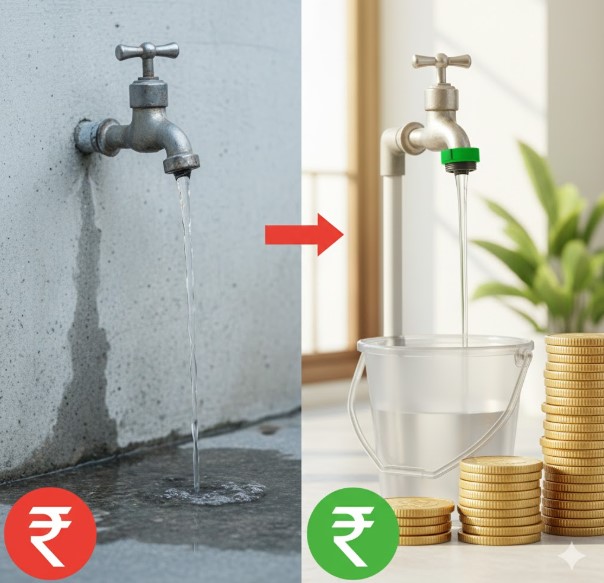
Simple changes like:
- Fixing leaks
- Using bucket baths
- Installing tap aerators
can reduce water bills by 25–40% annually.
🌍 Water conservation is one of the most important eco-friendly habits in India.
👉To understand how saving water supports sustainable living, explore these official water conservation initiatives in India. – Read Here
🪵 4. Choose Wooden & Natural Products Over Plastic
Wooden products last longer, are biodegradable, and don’t release toxins.
From kitchen tools to home décor, switching to wood means:
- Fewer replacements
- Better health
- Lower long-term costs
This habit supports eco-friendly living and sustainable brands.
👉 Explore thoughtfully designed eco-friendly wooden products for everyday use at the EcoNir Wooden Product Shop and make sustainable living a part of your daily lifestyle.
🚲 5. Walk, Cycle, or Use Public Transport
Fuel prices are rising — eco-friendly travel is the solution.

- Walking & cycling = zero cost
- Public transport = up to ₹10,000 saved yearly
🚴 Plus, it improves fitness & mental health.
🍽️ 6. Build an Eco-Friendly Kitchen
An eco-friendly kitchen reduces waste and expenses.
Switch to:
- Steel or wooden containers
- Reusable cloth wipes
- Homemade cleaners
Savings: ₹5,000–₹7,000 per year
🌱 7. Start Composting Kitchen Waste
Kitchen waste = free fertilizer.
Composting reduces:
- Garbage disposal costs
- Chemical fertilizer purchases
Perfect eco-friendly habit for Indian homes with balconies or gardens.
🛍️ 8. Buy Less, Buy Sustainable
Fast fashion and cheap plastic items break fast.
Choose:
- Durable products
- Eco-friendly brands
- Quality over quantity
This habit alone prevents unnecessary spending.
🌿 9. Grow Indoor Plants at Home
Indoor plants:
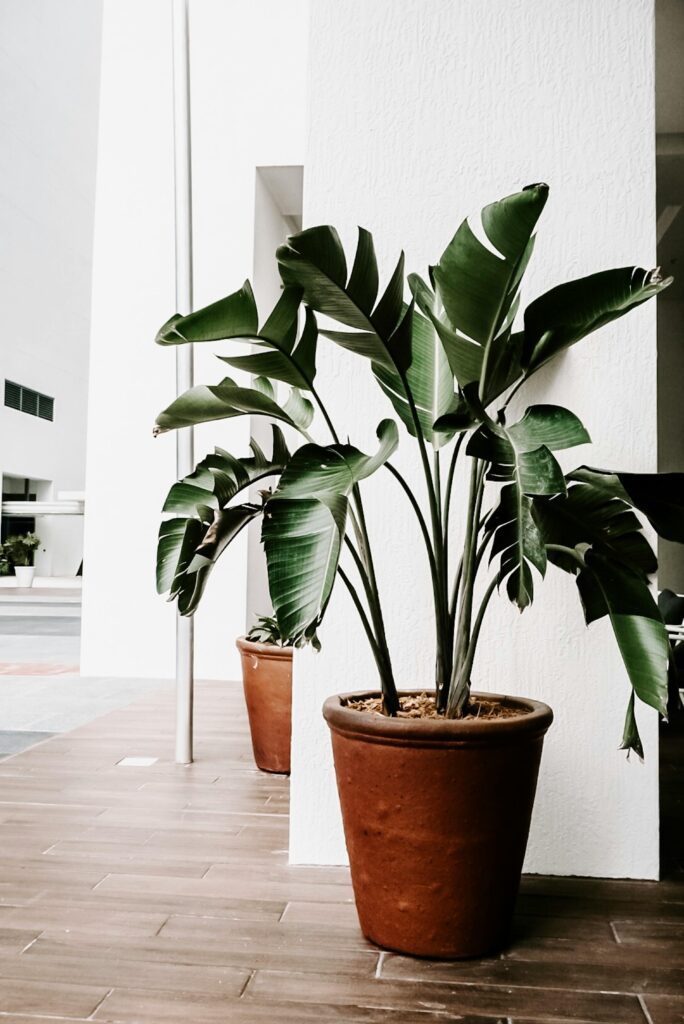
- Improve air quality
- Reduce stress
- Beautify homes naturally
They reduce dependency on artificial air purifiers and décor items.
🔁 10. Repair, Reuse & Recycle
Before throwing anything away, ask:
“Can this be repaired or reused?”
This mindset shift is the backbone of eco-friendly habits and sustainable living.
🌍 Final Thoughts: Eco-Friendly Living Is the Smart Indian Choice
Eco-friendly habits don’t just save the planet — they save your money, health, and future.
By adopting these 10 eco-friendly habits in India, you can realistically save ₹50,000 a year while building a cleaner, greener lifestyle.
🌱 Sustainability is no longer optional — it’s intelligent living.
FAQs
1. What are eco-friendly habits?
Eco-friendly habits are daily lifestyle practices that reduce harm to the environment while saving natural resources. Common eco-friendly habits include saving electricity and water, reducing plastic use, choosing sustainable products, and adopting reusable alternatives in daily life.
2. Can eco-friendly habits really save ₹50,000 a year in India?
Yes, eco-friendly habits in India can realistically save up to ₹50,000 a year. By reducing electricity bills, saving water, cutting fuel expenses, avoiding single-use plastic, and buying durable products, Indian households can significantly lower annual expenses.
3. Which eco-friendly habit saves the most money?
Reducing electricity consumption and fuel usage saves the most money. Switching to energy-efficient appliances, using public transport, and avoiding unnecessary electricity usage can together save over ₹20,000 annually.
4. Are eco-friendly products expensive in India?
No, eco-friendly products are no longer expensive in India. While some sustainable products may cost slightly more upfront, they last longer and reduce replacement costs, making eco-friendly living more affordable in the long run.
5. How can beginners start eco-friendly living in India?
Beginners can start eco-friendly living by adopting small habits like using reusable bags, saving water, switching off unused appliances, avoiding plastic products, and choosing eco-friendly alternatives for daily household needs.
6. Why are wooden products considered eco-friendly?
Wooden products are eco-friendly because they are biodegradable, durable, and made from renewable resources. Unlike plastic, wooden products do not release harmful chemicals and support sustainable living when sourced responsibly.
7. Is eco-friendly living suitable for small Indian homes?
Yes, eco-friendly living is perfect for small Indian homes. Simple habits like indoor plants, composting kitchen waste, water-saving techniques, and minimalistic purchasing work effectively even in compact spaces.
8. How do eco-friendly habits help the environment?
Eco-friendly habits help the environment by reducing pollution, conserving water and energy, lowering carbon emissions, and minimizing plastic waste. These habits support long-term environmental sustainability and a healthier planet.