
Is India really banning plastic in 2026? And if yes — what should you use instead?
Across India, conversations around a plastic ban in 2026 are getting louder. From government policies to rising environmental awareness, Indian households are rapidly shifting toward eco alternatives that are safer, sustainable, and surprisingly cost-effective.
If plastic is slowly disappearing from daily life, what is replacing it?
Let’s explore the eco-friendly alternatives that are taking over Indian homes in 2026 — and why this shift might be the smartest lifestyle upgrade you can make.
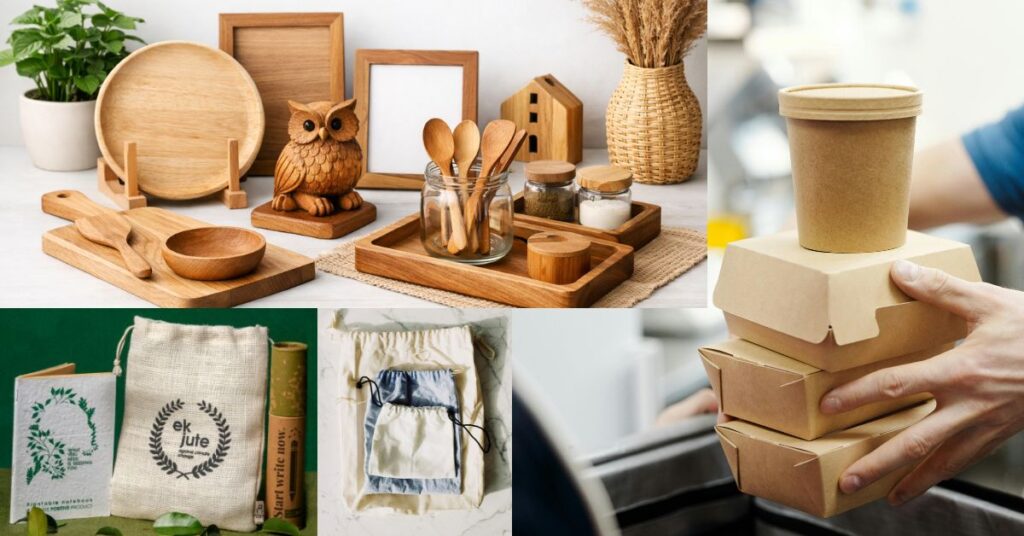
Table of Contents
🌍 Is Plastic Really Being Banned in India in 2026?
India has already implemented restrictions on single-use plastic under various environmental policies. In 2026, stricter enforcement and expansion of plastic bans are expected in many states.
Single-use items like:
- Plastic carry bags
- Plastic cutlery
- Straws
- Styrofoam containers
are already restricted in several regions.
🌱 The direction is clear: India is moving toward a plastic-free future.
❗ Why Plastic Is Being Phased Out
Plastic may be cheap — but the long-term damage is expensive.
🚫 Environmental Impact
- Non-biodegradable (takes 100–500 years to decompose)
- Pollutes rivers and oceans
- Harms wildlife
⚠️ Health Risks
- BPA and toxic chemicals
- Microplastics entering food & water
- Potential hormonal disruption
👉 According to the United Nations Environment Programme, plastic pollution is one of the biggest environmental threats globally.
(External link placement suggestion: UNEP plastic pollution page)
♻️ Eco Alternatives Taking Over Indian Homes in 2026
Here are the most popular eco alternatives replacing plastic in Indian households:
🪵 1. Wooden Kitchen Products
Wooden spoons, cutting boards, spatulas, and storage containers are becoming mainstream again.
Why Indians Are Switching:
✔ Durable
✔ Chemical-free
✔ Biodegradable
✔ Aesthetic & warm look
👉 Discover high-quality eco-friendly wooden alternatives at the EcoNir Wooden Product Shop. | Click Here
🥤 2. Stainless Steel & Glass Containers
Indian kitchens are returning to steel — and for good reason.
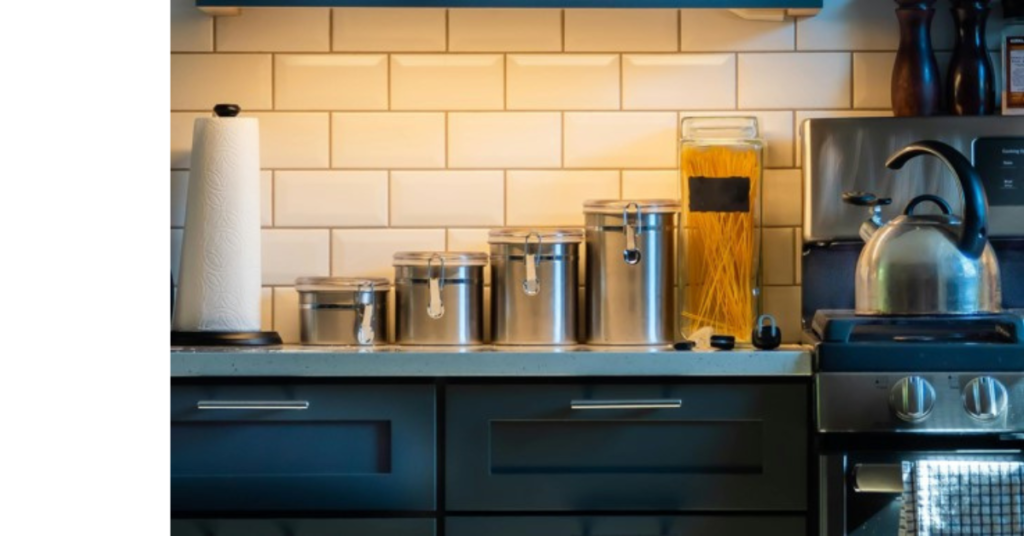
- Long-lasting
- No chemical leaching
- Easy to clean
- Fully recyclable
Steel bottles and tiffins are replacing plastic water bottles and lunch boxes rapidly.
🧺 3. Cloth & Jute Bags
Plastic carry bags are being replaced with:
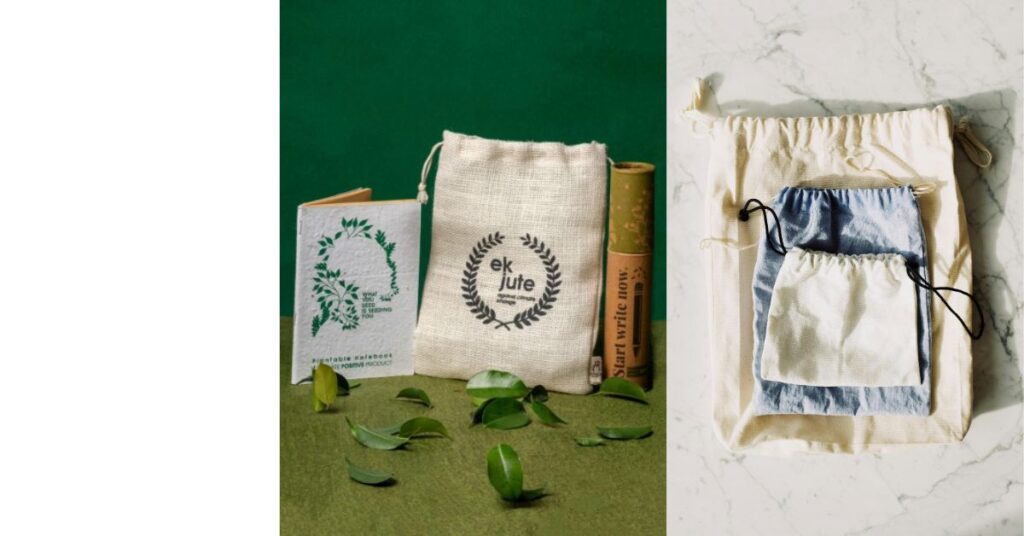
- Cotton shopping bags
- Jute grocery bags
- Reusable fabric totes
These are stronger, washable, and long-lasting.
🚿 4. Metal & Ceramic Bathroom Alternatives
Instead of plastic toothbrush holders, soap trays, and containers:
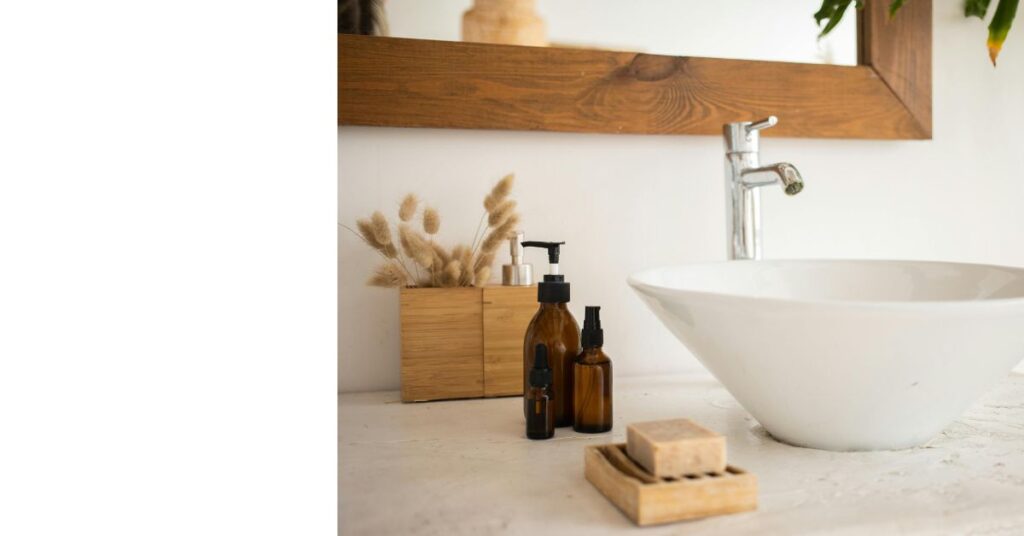
- Ceramic soap dispensers
- Metal organizers
- Bamboo toothbrushes
are becoming common in eco-conscious Indian homes.
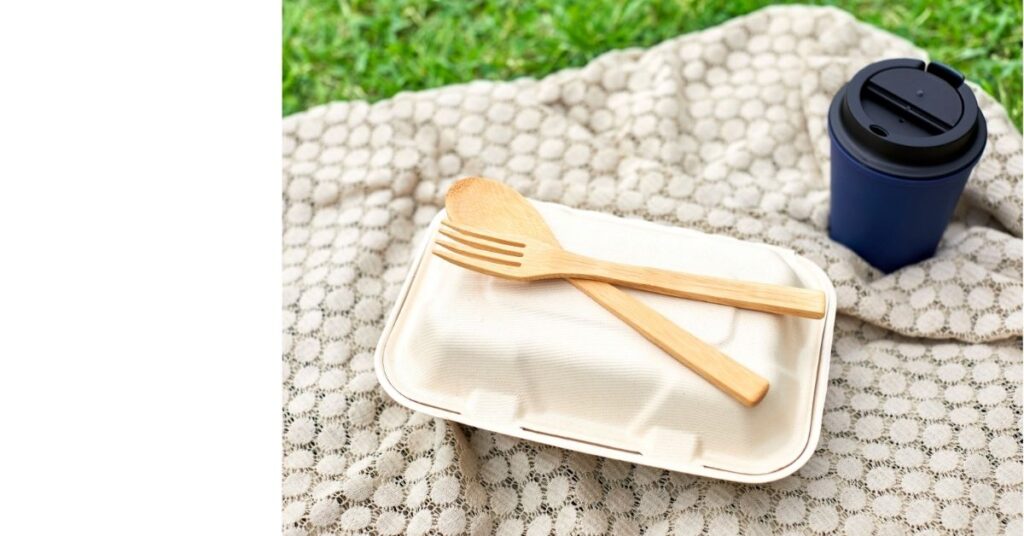
🍱 5. Eco-Friendly Food Packaging
In 2026, we are seeing:
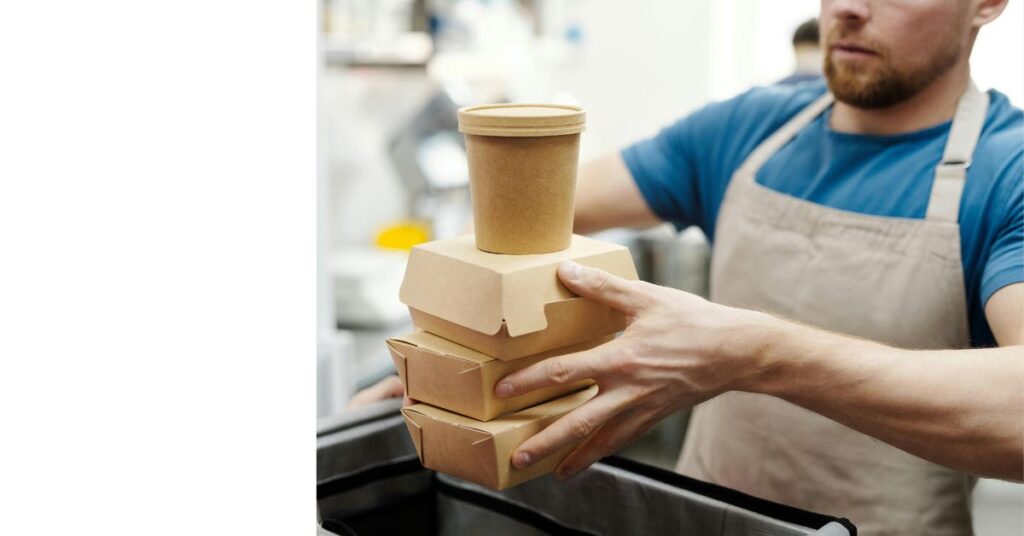
- Areca leaf plates
- Paper-based packaging
- Compostable containers
- Reusable steel lunch boxes
Restaurants and households alike are adapting.
📊 Plastic vs Eco Alternatives – Cost Comparison (Annual Estimate)
| Category | Plastic Cost (₹/Year) | Eco Alternative Cost (₹/Year) | Long-Term Savings |
|---|---|---|---|
| Water Bottles | 3,000 | 800 | High |
| Kitchen Tools | 2,500 | 1,200 | Moderate |
| Shopping Bags | 1,500 | 400 | High |
| Storage Containers | 4,000 | 2,000 | Moderate |
| Bathroom Items | 2,000 | 1,000 | Moderate |
💡 While eco alternatives may cost slightly more upfront, they reduce replacement frequency and save money long-term.
🏡 Why Indian Families Are Embracing Eco Alternatives
1️⃣ Rising Awareness
More families now understand plastic’s environmental and health risks.
2️⃣ Government Push
Policies and penalties encourage change.
3️⃣ Social Media Influence
Sustainable living trends are growing rapidly.
4️⃣ Aesthetic Appeal
Wood, steel, and glass look premium compared to plastic.
🌱 How to Prepare for the Plastic Ban in 2026
If plastic restrictions increase, here’s how to transition smoothly:
✔ Replace plastic gradually, not all at once
✔ Start with kitchen items
✔ Invest in durable products
✔ Choose reusable over disposable
✔ Support eco-friendly Indian brands
🌍 The Bigger Picture: Sustainable Living in India
The plastic ban in 2026 is not just about removing plastic — it’s about transforming daily habits.
Eco alternatives:
- Reduce waste
- Improve health
- Support sustainable living
- Save long-term money
This shift is not temporary — it’s the future of Indian homes.
✅Is 2026 the Turning Point?
Whether plastic is fully banned nationwide or gradually restricted, one thing is certain:
Indian households are moving toward eco-friendly alternatives faster than ever.
Switching today means:
✔ Healthier home
✔ Lower waste
✔ Long-term savings
✔ Future-ready lifestyle
The plastic-free era is no longer a dream — it’s already happening.
🔮 Why Eco Alternatives Are Becoming the New Normal in India
Take a quick look around your kitchen — plastic bottles, storage boxes, carry bags. For years, we’ve used them without thinking. But now, many Indian families are slowly switching to eco alternatives like stainless steel, glass, bamboo, and cloth products.
This shift isn’t just about being “environment-friendly.” It’s about safety and long-term savings. Unlike plastic, eco alternatives don’t crack easily, retain odors, or release harmful chemicals when exposed to heat — something especially important in Indian cooking.
Yes, they may feel expensive at first. But plastic items often need replacement within months. Eco alternatives, on the other hand, can last for years.
📊 Plastic vs Eco Alternatives (Quick Comparison)
| Feature | Plastic Products | Eco Alternatives |
|---|---|---|
| Lifespan | 6–12 months | 5–10+ years |
| Heat Safety | Can release toxins | Heat-safe (steel/glass) |
| Replacement Cost | Frequent | Rare |
| Environmental Impact | High waste | Reusable & sustainable |
With stricter plastic regulations expected in 2026, this change will only accelerate. The good news? You don’t need to switch everything at once. Start small — one bottle, one container, one cloth bag at a time.
Small changes today can build a safer and more sustainable Indian home for tomorrow. 🌿
❓ FAQs
1. Is plastic completely banned in India in 2026?
Certain single-use plastics are already restricted. 2026 may bring stricter enforcement and wider bans.
2. Are eco alternatives expensive?
Some cost more upfront but last longer, making them cost-effective.
3. What is the best alternative to plastic in kitchens?
Wooden, stainless steel, and glass products are the safest and most durable.
4. How can I start reducing plastic use at home?
Begin with water bottles, kitchen tools, and shopping bags.
5. Are eco alternatives more expensive than plastic products?
Eco alternatives may seem slightly expensive initially, but they last much longer than plastic. Stainless steel, bamboo, and glass products save money over time because they are reusable and durable.
6. Which eco alternatives are best for Indian kitchens?
The best eco alternatives for Indian kitchens include stainless steel containers, wooden spatulas, glass jars, copper bottles, cloth bags, and bamboo storage boxes. These options are durable, safe, and plastic-free.
7. Can eco alternatives handle Indian cooking styles?
Yes, most eco alternatives like stainless steel and iron cookware are perfect for Indian cooking. They handle high heat, spices, and daily use better than plastic products.
8. How can I slowly switch to eco alternatives at home?
Start small by replacing single-use plastic items first, such as plastic bottles and bags. Gradually switch to reusable steel containers, wooden utensils, and cloth storage options to make the transition affordable and easy.
9. Are eco alternatives safe for children and families?
Yes, eco alternatives made from natural materials like steel, glass, and wood are safer than plastic because they do not release harmful chemicals when exposed to heat or sunlight.