
Last year, I noticed something surprising.
At a college café in Kolkata, almost every student was carrying a steel bottle, reusable bag, or bamboo cutlery. Not plastic. Not disposable cups. That moment made me realize something big:
👉 Gen Z is not just talking about sustainability — they are living it.
From Instagram trends to eco-conscious shopping habits, Gen Z in India and globally is actively ditching plastic and embracing wooden products and natural alternatives.
But why?
Is it just a trend… or a long-term lifestyle shift?
Let’s explore the real reasons behind this powerful movement.
Table of Contents
🌎 Gen Z: The Most Environmentally Aware Generation
Born between 1997 and 2012, Gen Z has grown up watching:
- Climate change headlines
- Plastic pollution documentaries
- Rising temperatures
- Social media activism
Unlike previous generations, Gen Z connects daily purchases with global impact.
According to the United Nations Environment Programme, plastic pollution is one of the biggest environmental challenges of our time. 👉 Learn more about global plastic pollution challenges from the United Nations Environment Programme
This awareness directly influences Gen Z buying behavior.
📊 The Shift: Plastic vs Wooden Products
| Factor | Plastic Products | Wooden Products |
|---|---|---|
| Environmental Impact | Non-biodegradable | Biodegradable |
| Health Safety | May release toxins | Chemical-free (natural) |
| Durability | Breaks easily | Long-lasting |
| Aesthetic Value | Basic | Warm & premium |
| Sustainability | Petroleum-based | Renewable resource |
This comparison clearly shows why wooden products are becoming Gen Z’s preferred eco-friendly choice.
🧠 1. Health Consciousness Is a Big Reason
Gen Z is extremely health-aware.
They read labels.
They research materials.
They avoid toxins.
Plastic containers, especially low-quality ones, may release harmful chemicals over time. Wooden kitchen tools and natural materials feel safer and more authentic.
Many young consumers now prefer:
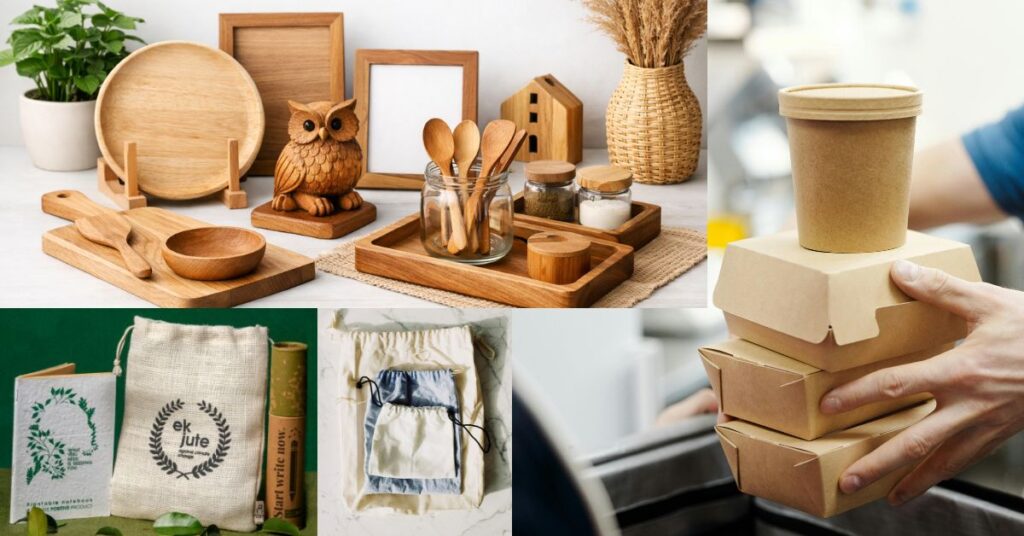
- Wooden spatulas
- Bamboo toothbrushes
- Steel or glass bottles
- Cloth bags
It’s not just about style — it’s about long-term health safety.
🌿 2. Aesthetic Matters: Wooden Products Look Better
Let’s be honest — Gen Z loves Instagram-worthy aesthetics.
Wooden products:
- Look warm and premium
- Match minimalist interior trends
- Fit perfectly with indoor plants
Plastic looks cheap and artificial. Wood feels natural and timeless.
👉 For beautifully designed eco-friendly wooden essentials, explore the EcoNir Wooden Product Shop and see how sustainability meets style.
💰 3. Long-Term Value Over Cheap Convenience
Gen Z understands one important thing:
Cheap plastic products cost more in the long run.
Plastic items break.
Wooden products last.
This generation prefers buying fewer, better-quality items rather than frequently replacing cheap alternatives.
This mindset supports sustainable living and reduces waste significantly.
🌱 4. Climate Change Anxiety Is Real
Unlike older generations, Gen Z experiences “climate anxiety.”
They want to feel part of the solution.
Switching to wooden products is a small but powerful action that makes them feel responsible and proactive.
In India, environmental awareness campaigns and government sustainability initiatives are increasing. 👉 Explore official sustainability initiatives in India by the Ministry of Environment
https://moef.gov.in/
This shift in awareness strengthens eco-friendly lifestyle choices.
📱 5. Social Media Is Driving the Trend
Platforms like Instagram and Pinterest promote:
- Zero-waste homes
- Minimalist wooden décor
- Plastic-free kitchens
- Sustainable room makeovers
Gen Z doesn’t just consume trends — they create them.
Hashtags like:
- #SustainableLiving
- #PlasticFreeLife
- #EcoFriendlyHome
are influencing buying patterns globally.
🏡 6. Wooden Products Support Local & Ethical Brands
Another reason Gen Z prefers wooden products is support for:
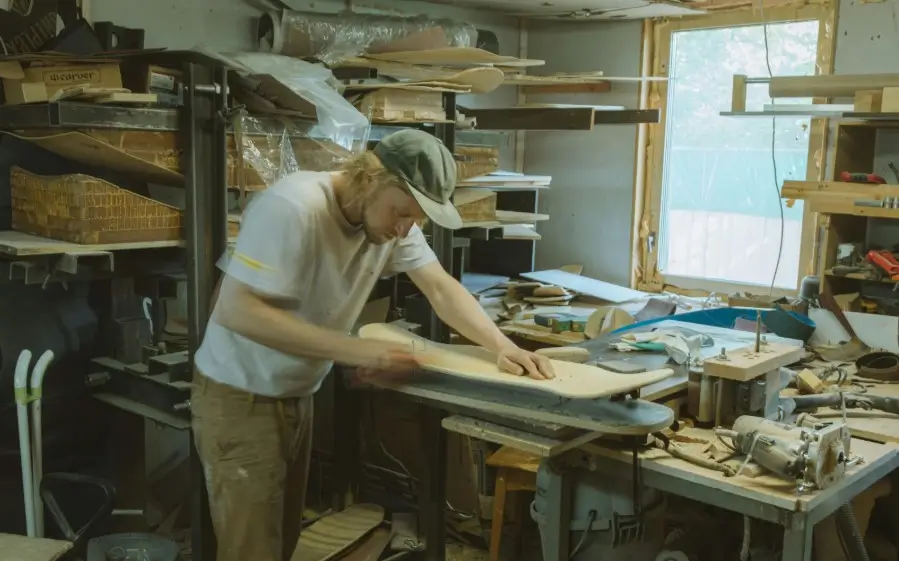
- Small businesses
- Handmade craftsmanship
- Local eco-brands
Unlike mass-produced plastic, wooden items often feel personal and ethical.
👉 You can also read: Why Wooden Products Are Better Than Plastic
This strengthens EcoNir’s topical authority naturally.
📊 How Much Impact Can One Switch Make?
Let’s estimate:
| Switch | Annual Plastic Reduction |
|---|---|
| Replace plastic bottles | 150+ bottles |
| Replace plastic cutlery | 500+ pieces |
| Use cloth bags | 300+ bags |
| Wooden kitchen tools | 50+ items |
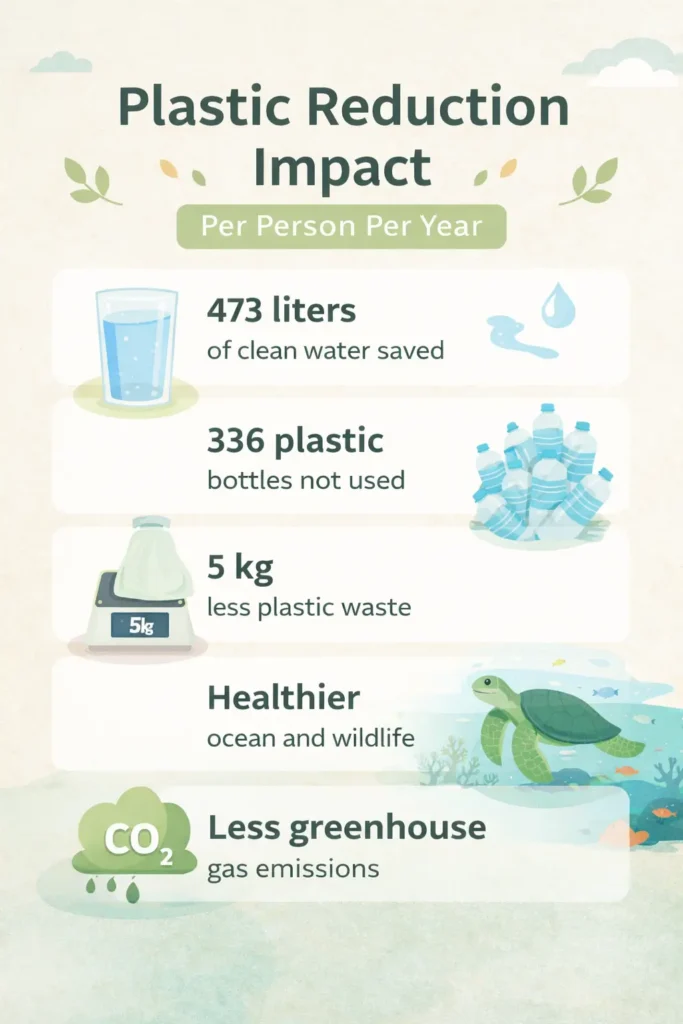
One Gen Z individual can prevent 1000+ plastic items per year from entering landfills.
Multiply that by millions.
Now imagine the impact.
🌿 Personal Observation: This Is Not a Temporary Trend
As a content creator and eco-conscious entrepreneur, I’ve noticed a clear shift in consumer mindset.
Customers no longer ask:
“Is this cheap?”
They ask:
“Is this sustainable?”
That change is powerful.
Gen Z doesn’t see wooden products as luxury — they see them as responsible living.
🔥 Why This Trend Will Grow in 2026 and Beyond
Here’s what makes this movement long-term:
✔ Rising plastic bans
✔ Eco-conscious influencers
✔ Sustainable interior trends
✔ Health awareness
✔ Government environmental policies
Wooden products are no longer alternatives — they are becoming the new normal.
🌍 Final Thoughts: This Is a Conscious Revolution
Gen Z is not ditching plastic because it’s trendy.
They’re doing it because:
- They care about health
- They value sustainability
- They want long-term impact
- They believe small actions matter
Choosing wooden products is not just a shopping decision.
It’s a statement.
And that statement is clear:
“We want a better planet.”
❓ FAQs
1. Why is Gen Z more eco-conscious?
Gen Z grew up during the climate crisis and has constant access to environmental awareness content through social media and digital platforms.
2. Are wooden products really sustainable?
Yes, when responsibly sourced, wooden products are biodegradable, durable, and environmentally friendly compared to plastic.
3. Is switching from plastic to wooden products expensive?
Initially, wooden products may cost slightly more, but they last longer and reduce replacement costs over time.
4. Why are wooden products better than plastic?
Wooden products are non-toxic, biodegradable, and more durable compared to plastic items, which may release harmful chemicals over time.